
Use the database after you know what you are comparing.
The Startup Database is a research surface, not a recommendation list. Read the database guide first so entity types, scores, priority signals, source age, and caveats stay visible.
Start here if you are learning how to research Israeli technology. The knowledge base moves from plain-English orientation to exposure routes, database use, sector themes, diligence questions, and risk vocabulary without turning research into a recommendation.
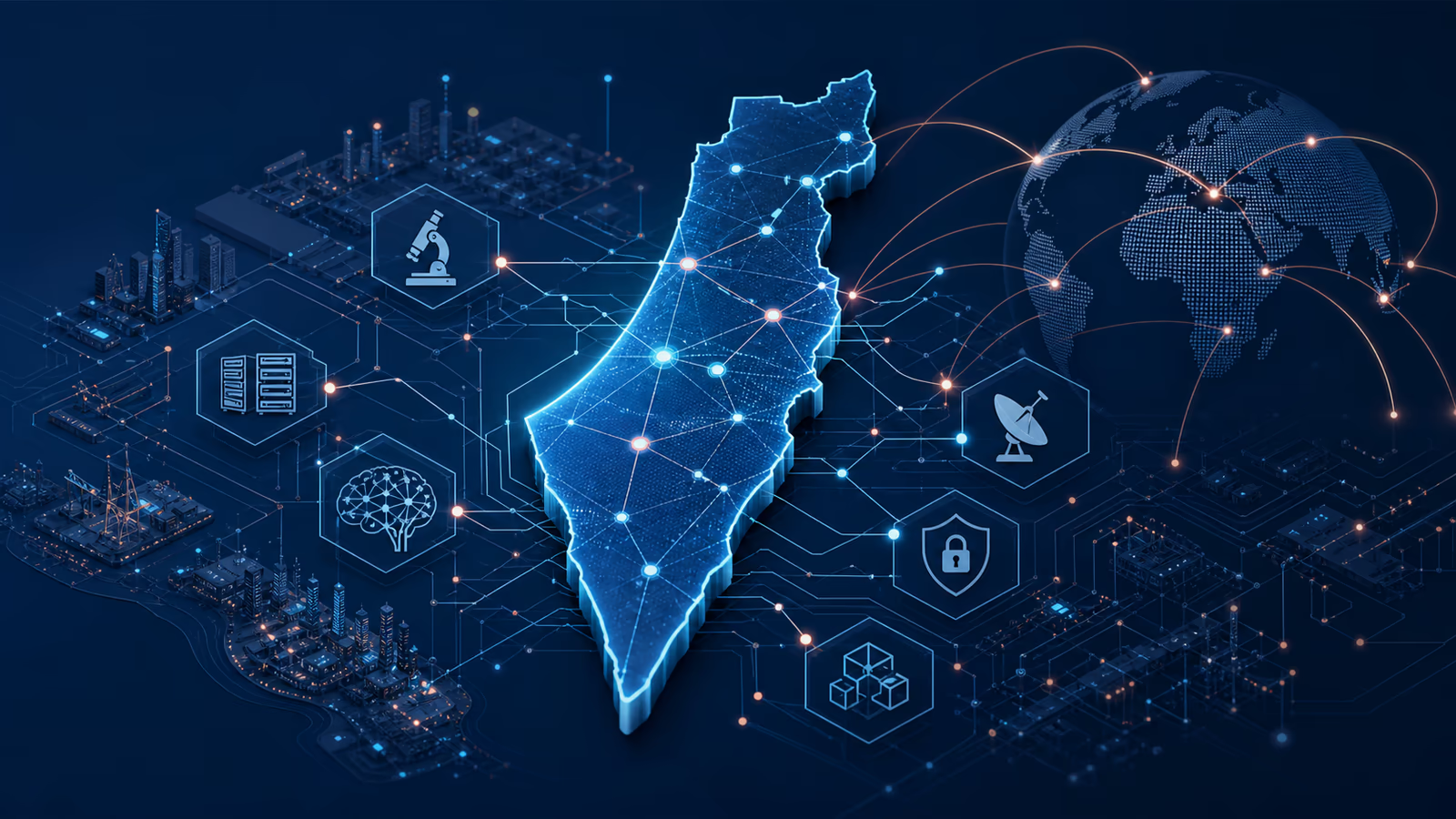
The knowledge base is built around one workflow. First build the frame: how the ecosystem works, what each exposure route actually buys, and what the vocabulary means. Then move into the research surfaces: the database, the sector pages, and the thesis tools. Finish every path with diligence questions and the risk vocabulary that keeps access from being confused with suitability.
If you are new, follow the sequence below in order; each step makes the next page easier to read. If you already know your question, jump straight to the right shelf of the reference library. Nothing here is a recommendation. The goal is that every page leaves you with a sharper question, a concrete evidence request, or a clear reason to stop.
Resources are grouped by the job they do: orientation, route selection, research tools, and deeper theme work.
Plain-English orientation for readers who are new to Israeli technology, private markets, or site vocabulary.
Route and reader-context pages that help separate learning, screening, exposure mechanics, and scoped research support.
Database and diligence resources for turning curiosity into more precise evidence questions.
Serious research resources for readers building a thesis, testing market context, or learning from visible outcomes.
The Startup Database is a research surface, not a recommendation list. Read the database guide first so entity types, scores, priority signals, source age, and caveats stay visible.